Treatment details
Phlebectomy
This is a surgical procedure in which the affected veins are removed from the body. It is mainly performed on veins that are visibly bulging or causing health problems.
Procedure overview
Surgical treatment is intended for patients with more advanced vein disease, where conservative or minimally invasive procedures are not suitable. The operation is performed as a day-case procedure, with the aim of removing the source of venous problems.
Minimally invasive vein removal
- This is a surgical procedure in which the affected veins are removed from the body. It is mainly performed on veins that are visibly bulging or causing health problems.
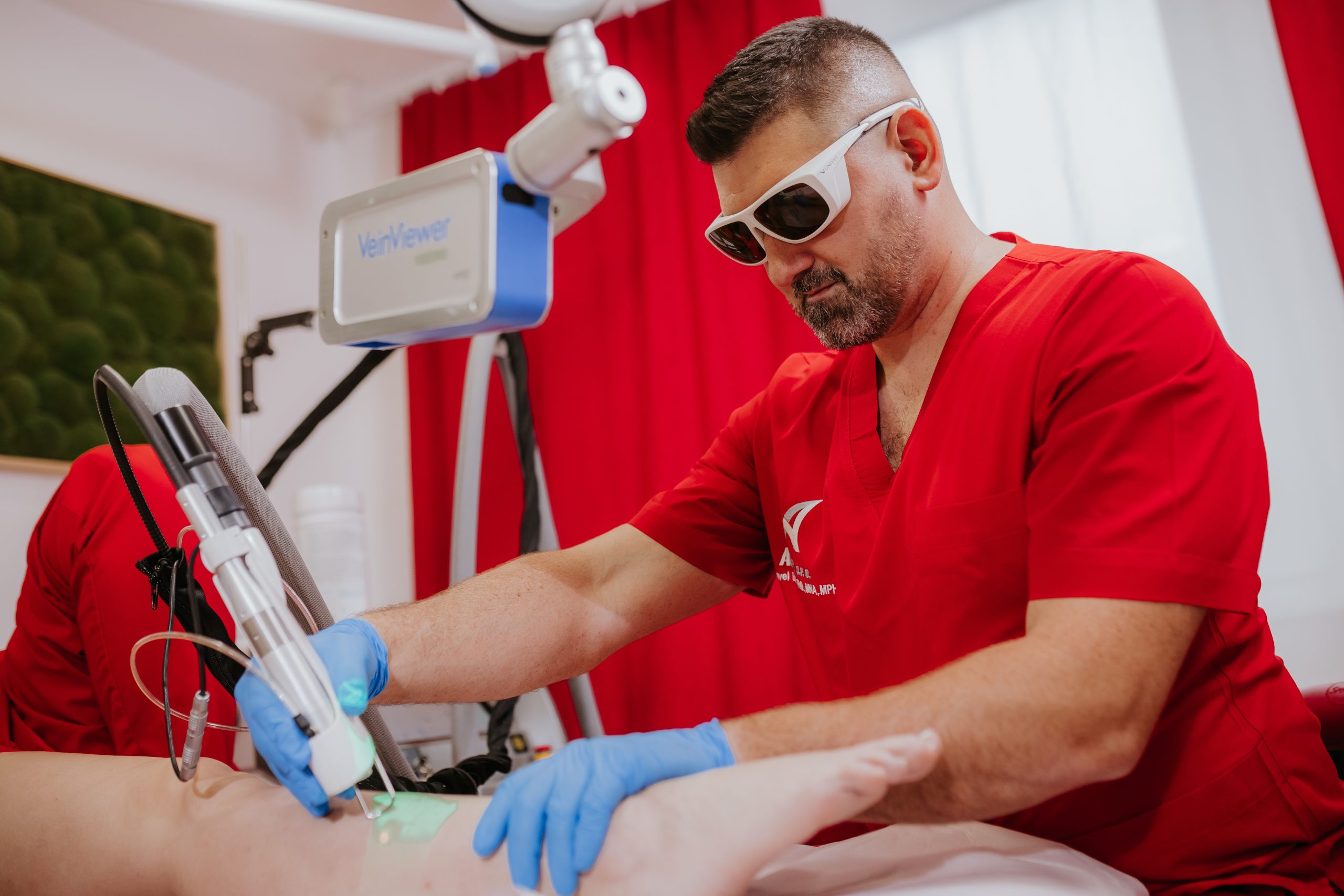
- During a phlebectomy, the veins are removed through tiny skin incisions. The advantage of this method is that the incision sites are very small, the procedure is less invasive, quick and leaves almost no scars.
- It is a modern treatment method that brings patients not only aesthetic improvement, but also relief from the physical problems associated with varicose veins.
- Phlebectomy is often performed under local anaesthesia, which contributes to patient comfort as well as procedural safety.
Local anaesthesia
Small incisions
Virtually no scarring
Quick procedure
How the procedure works
Phlebectomy is performed through small skin incisions, through which the damaged veins are removed using a special instrument. The procedure is gentle, patients usually tolerate it well, and after the operation they can follow simple post-treatment recommendations.
Local anesthesia:
The procedure starts with the application of local anesthesia.
Small incisions in the skin:
The vascular surgeon then makes small incisions near the affected veins. These incisions are often so small that stitches are not needed to close them.
Removal of the affected vein:
Using a special instrument, the doctor removes the affected veins. The whole process is relatively quick, usually taking several tens of minutes up to an hour, depending on the extent of the condition.
Comfort during the procedure:
During the procedure the patient feels comfortable and can calmly communicate with the doctor.
Bandage or compression stocking:
After all damaged veins are removed, a sterile bandage or compression stocking is applied to the incisions to help speed healing and minimize swelling.
Examples of results
Before-and-after photographs help illustrate the change in the appearance of the lower limbs after phlebectomy. The result depends on the extent of the venous condition as well as the individual healing process.
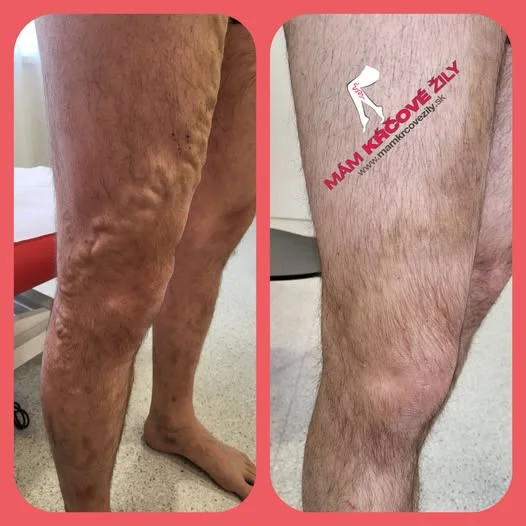
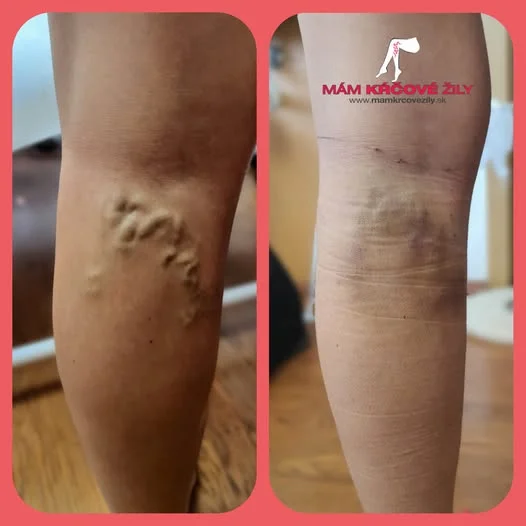
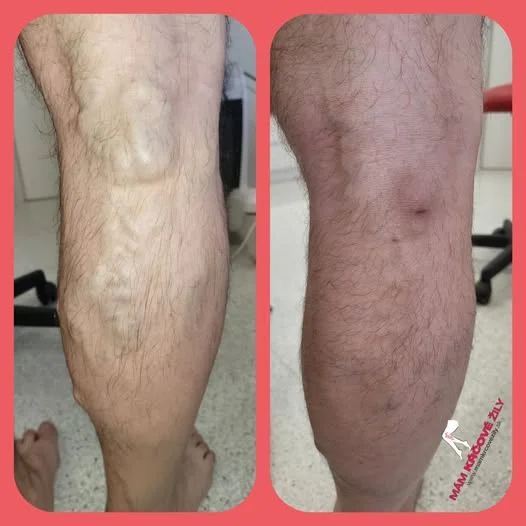
Before and after the procedure
Before the procedure, an expert examination of the venous system is important, and after the operation it is necessary to follow the doctor’s recommendations in order to support proper healing and achieve a good functional as well as aesthetic result.
Before the procedure
- Before the procedure, the patient undergoes an examination of the veins and blood vessels by our vascular surgeon, who will assess the condition of the veins, the reasons for the operation and the expected results.
- The doctor will also gather information about the patient’s health status, including allergies, current medications, previous illnesses or operations, and any possible risk factors.
- The patient will receive instructions regarding food and drink before the procedure. For a procedure under local anaesthesia, fasting is usually not necessary, but the exact instructions depend on the surgeon’s specific recommendations.
After the procedure
- We recommend that patients wear compression stockings for several days after the procedure to support circulation and minimise the risk of clot formation.
- During the first few days, mild pain, swelling or bruising may be present at the incision sites, which is completely normal and gradually subsides.
- However, if any unusual symptoms occur, such as excessive pain, redness or fever, it is important to contact your doctor immediately.
- After the procedure, we recommend avoiding prolonged standing or sitting, and you should stay active, for example by taking short walks, to support healthy blood circulation.
Interested in phlebectomy?
Book a consultation appointment and find out whether phlebectomy is the right solution for you.
Write to us
Do you have a question or would you like to book an appointment? Leave us a message and we will get back to you as soon as possible.
Contact
AdNa s.r.o., Vascular Surgery Outpatient Clinic
Krivá 17, 040 01 Košice
Mon–Fri, 7:00 am – 3:30 pm
We reply within 24 hours
Contracted insurance companies