Treatment details
Barron Ligation
Barron ligation is a gentle outpatient treatment for grade II and III internal haemorrhoids, without the need for surgery or hospitalisation.
Procedure overview
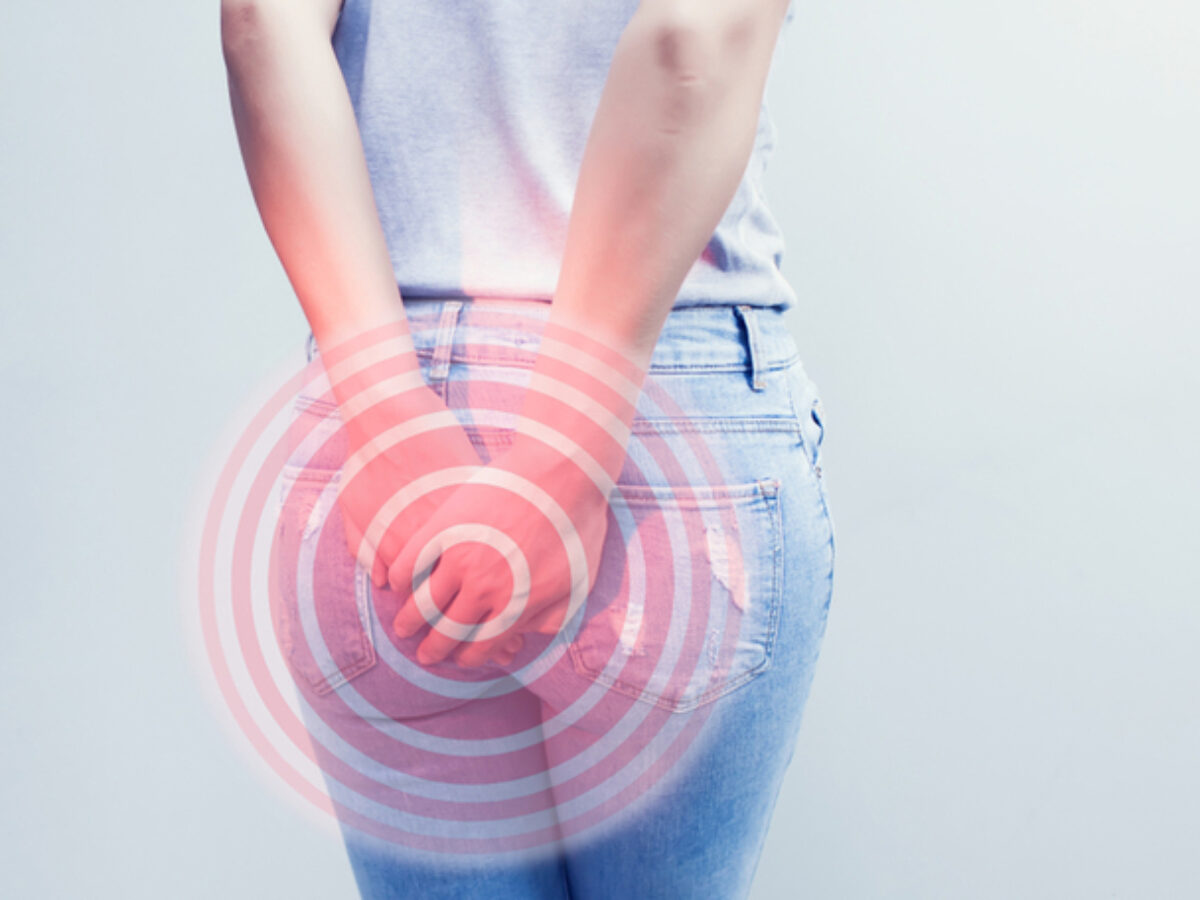
Barron ligation, also known as Rubber Band Ligation (RBL), is a proven and most commonly used non-surgical method for treating internal haemorrhoids. The procedure is indicated for grade II and III haemorrhoidal disease and offers a quick outpatient solution without the need for hospitalisation.
Proven outpatient method
- Barron ligation – the method of applying an elastic band (RBL – Rubber Band Ligation) – is a proven method of treating internal haemorrhoids.
- It is the most commonly used non-surgical method, indicated for grade II and III haemorrhoidal disease.
- The procedure is quick, outpatient and does not require hospitalisation.
- Another advantage is its painless course and quick recovery.
Same-day
No anaesthesia
5–10 min
No hospital stay
How the procedure works
Barron ligation, also known as rubber band ligation, is performed using a special device – an applicator with a double-cylinder system – which places a small latex constricting band onto the haemorrhoid tissue. The haemorrhoid tissue is suctioned into the applicator and its blood supply is then interrupted. The haemorrhoid subsequently shrivels and falls off within 3 to 10 days.
Suction of the haemorrhoid into the applicator:
Barron ligation is performed using a special device – an applicator with a double roller system. The haemorrhoid tissue is suctioned into the applicator using a suction device.
Placement of the latex band:
A small latex ring is then placed on the haemorrhoid, interrupting its blood supply. The procedure is quick, outpatient, and in most cases painless.
Necrosis and shedding of the haemorrhoid:
After its blood supply is cut off, the haemorrhoid gradually dies and sheds within approximately 3 to 10 days after the procedure.
Healing and return to normal routine:
Only a small scar remains, and complete healing takes approximately 3 to 4 weeks. The procedure itself usually lasts 5 to 10 minutes and does not require work incapacity.
Before and after the procedure
Before the procedure, it is necessary to undergo an initial examination and a personal consultation with the doctor. After the treatment, it is important to follow the specialist’s recommendations in order to support safe healing and achieve the best possible treatment outcome.
Before the procedure
- The treatment is preceded by an initial examination and a personal consultation with the doctor.
- For the initial examination, we require a referral slip from your GP or a specialist (surgeon, gastroenterologist).
- The most important thing is to empty your bowels. We recommend using the toilet 1 to 2 hours before the examination.
- For better rectal cleansing, we recommend using a glycerine suppository in the evening and again in the morning, 2 to 3 hours before the examination.
- On the day of the examination, fasting is not necessary, but we recommend eating light meals and avoiding foods that cause bloating.
After the procedure
- After the procedure, the patient may feel a foreign body sensation in the rectum, tension or, rarely, pain, which can be relieved with commonly available painkillers.
- In rare cases, complications such as mild bleeding or inflammation may occur.
- Another haemorrhoid can be treated after four weeks.
Interested in Barron ligation?
Book a consultation appointment and find out whether Barron ligation is the right solution for you.
Write to us
Do you have a question or would you like to book an appointment? Leave us a message and we will get back to you as soon as possible.
Contact
AdNa s.r.o., Vascular Surgery Outpatient Clinic
Krivá 17, 040 01 Košice
Mon–Fri, 7:00 am – 3:30 pm
We reply within 24 hours
Contracted insurance companies